9+ curated guides • Updated November 2025
When Bad Bunny wears a skirt on late-night TV or demands the governor resign mid-concert, it's more than a headline. It's a calculated act of cultural exportation. Forget the old stereotypes; a new wave of Puerto Rican celebrities is strategically using their global platforms not just to entertain, but to broadcast the island's authentic, complex, and unapologetic soul to the world. This isn't the sanitized, crossover-friendly Latin Pop of the late '90s. This is the Boricua Blueprint: a deliberate, multi-faceted strategy for projecting a specific, nuanced, and politically aware Puerto Rican identity onto a global canvas. It’s a masterclass in leveraging fame to achieve cultural sovereignty.
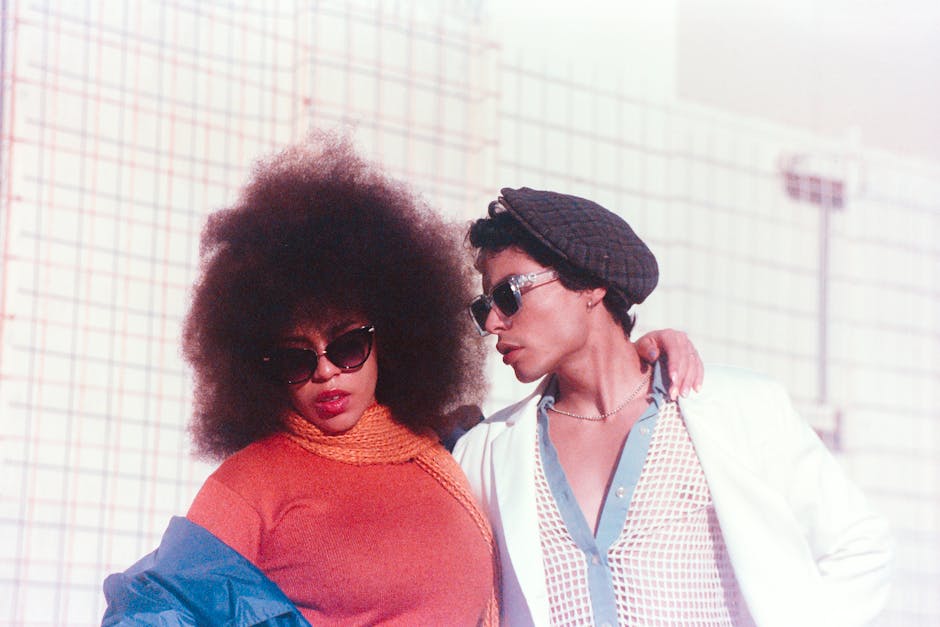
You've seen the photos: a silk scarf tied as a bohemian headband or knotted at the neck of a disco queen. But what if that simple piece of fabric was more than just a fashion statement? In the 1970s, the way you wore your scarf was a secret code, broadcasting your tribe and your beliefs to the world. This wasn't just about aesthetics; it was a socio-political broadcast worn around the neck, head, or wrist. In a decade fractured by the Vietnam War, civil rights movements, and economic uncertainty, personal style became a primary vehicle for self-identification. And the humble scarf, accessible and versatile, became its most potent and nuanced messenger.
We see celebrities on talk show couches and in blockbuster films, always polished and prepared. But what happens when the script is gone and the teleprompter is replaced by a lightning-fast buzzer? 'Celebrity Jeopardy!' is more than just a charity game; it's a fascinating, public X-ray of character, revealing who crumbles, who thrives, and who has the intellectual grit hiding beneath the glamour. This isn't about judging raw intelligence. It's about observing the human software running under extreme duress. The show is a controlled experiment where the variables are categories like "World Capitals" and "Potent Potables," and the results are raw, unfiltered glimpses into the celebrity psyche. Forget the rehearsed anecdotes and media training; for thirty minutes, we get to see the processing speed, the knowledge gaps, and the competitive wiring of people we thought we knew.
You see the giant red letters screaming '70% OFF!' and the 'DOORBUSTER!' tag on that new TV. Before you reach for your wallet, understand that every pixel and phrase in that ad is meticulously crafted to trigger a psychological response. We're handing you the decoder ring to see what these ads are really telling you, and which 'bargains' will actually cost you more. For years, my job was to design these very ads. I was the architect of the urgency, the engineer of the 'unbeatable deal.' Now, I’m here to show you how to dismantle them piece by piece, so you can walk away a winner, not a mark. We'll dissect the language of deception, expose the myth of the Black Friday-specific model, and arm you with a counter-strategy to protect your wallet.
We think of a celebrity mugshot as the end of the story: the moment the glamour fades and the carefully constructed image shatters. But what if it’s actually the beginning? For a select few, the stark, unfiltered booking photo has become a career-defining pivot, a raw asset they've flipped from public humiliation into their most powerful brand statement. It's no longer just evidence of a crime; it's a meticulously managed piece of performance art. In the modern fame economy, the police station has become an unlikely branding studio, and the booking photo is the headshot you never knew you needed.
We've all seen the shocking 'before and after' galleries, but what if we're looking at celebrity plastic surgery all wrong? Instead of just judging the results, let's pull back the curtain on the incredible artistry involved. This isn't about erasure; it's about architecture—the subtle science of enhancing a face without losing the person behind it. We're moving beyond the tabloid exposé to enter the surgeon's studio, analyzing these procedures as a form of high-stakes portraiture. Here, the goal isn't to create a new person, but to refine, restore, and rebalance the existing masterpiece, ensuring the star's unique identity—their most valuable asset—remains perfectly intact.
For many, the dream of owning a Sabyasachi creation is synonymous with a five-figure price tag and a once-in-a-lifetime occasion. But what if the key to unlocking that coveted, regal aesthetic wasn't a trousseau-worthy lehenga, but a single, iconic accessory? We explore why the Royal Bengal Tiger belt is more than just a cincher—it's the most intelligent, versatile, and financially sound entry ticket into the exclusive world of Indian couture. This isn't about impulsive buying; it's about strategic acquisition. By analyzing the belt through the lens of cost-per-wear, brand equity, and wardrobe integration, we reveal a clear tactic for making a high-impact luxury purchase that pays sartorial dividends for years to come.
Every November 1st, our feeds are flooded with a sea of celebrity Halloween photos, but are we looking at them all wrong? Forget simply rating who had the 'best' costume; we're here to analyze who had the smartest. This is the official breakdown of the celebrity looks that served as brilliant cultural commentary—and the ones that completely missed the mark.
For generations, a man's ring was a declaration of weight and wealth—the heavier, the better. But in a world saturated with loud statements, a new kind of power is emerging from subtlety. What if the most confident statement you could make on your hand weighs almost nothing at all? We've been conditioned to associate mass with meaning, bulk with bravado. The chunky signet, the formidable wedding band, the knuckle-duster dripping in stones—they all served their purpose in an era of overt signaling. But the modern man of substance understands a different language. He communicates not through volume, but through precision. The 2-gram gold ring isn't an entry-level accessory; it is the final word in a style vocabulary built on intention. It’s a deliberate rejection of the need for external validation, a quiet hum of self-assurance in a world of noise.